Nina Artist - Amynah Pirani

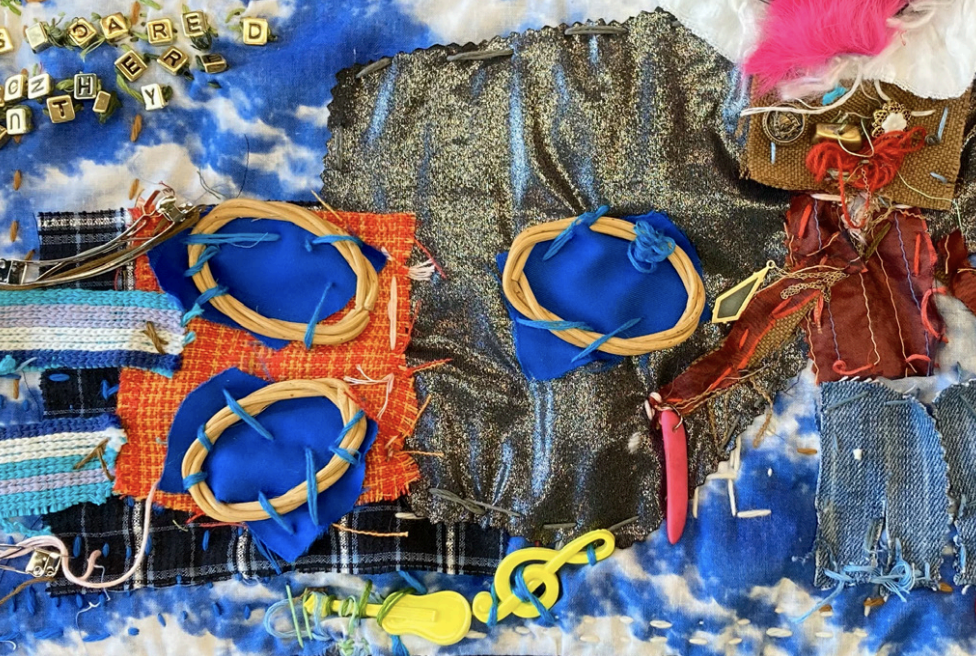
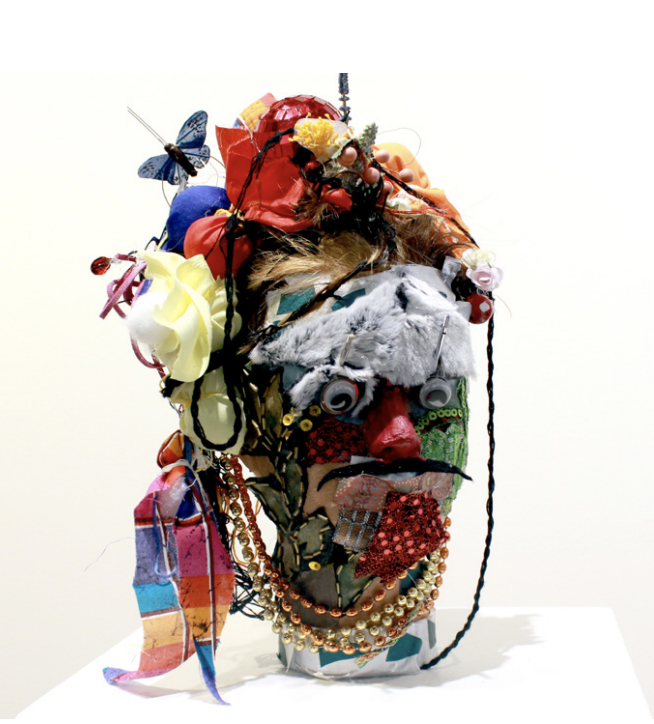
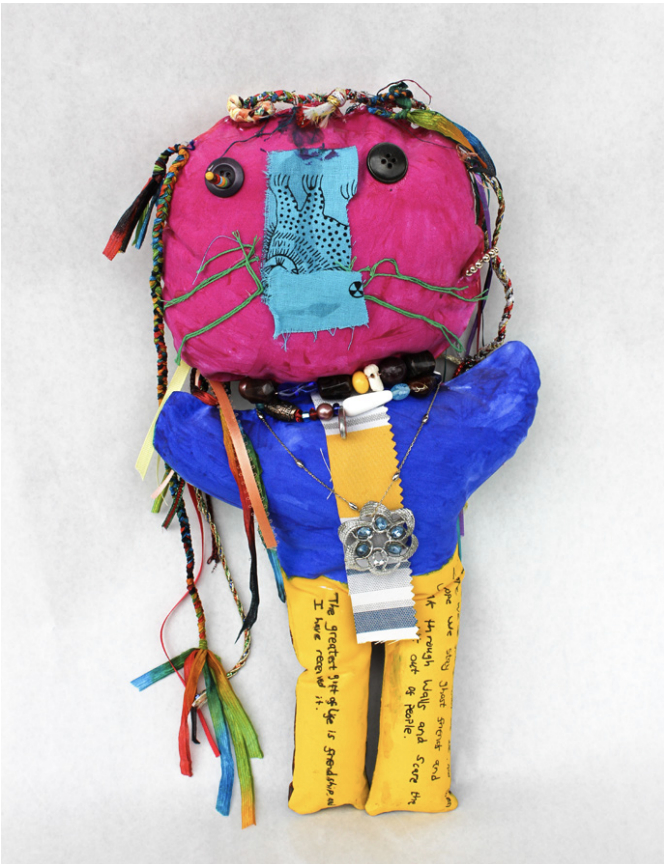
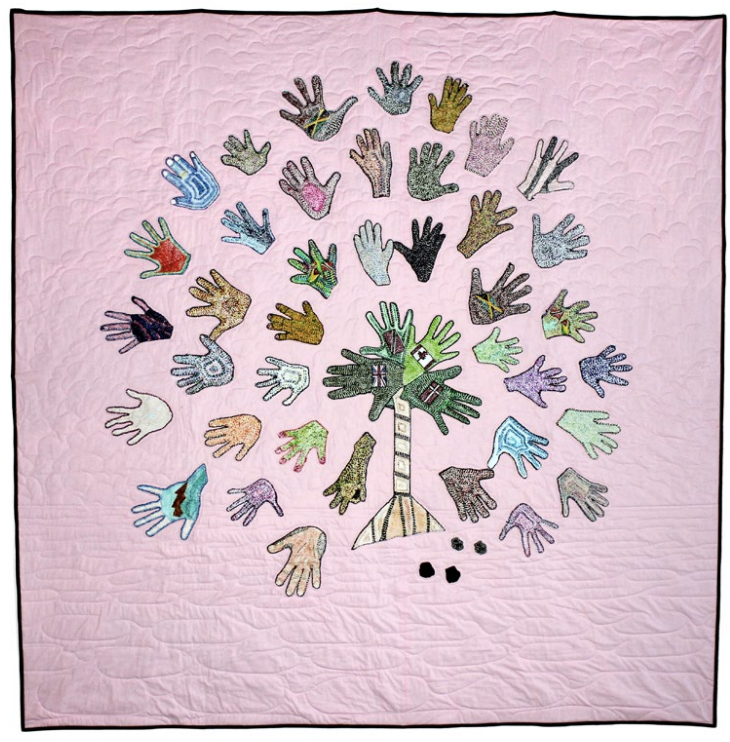
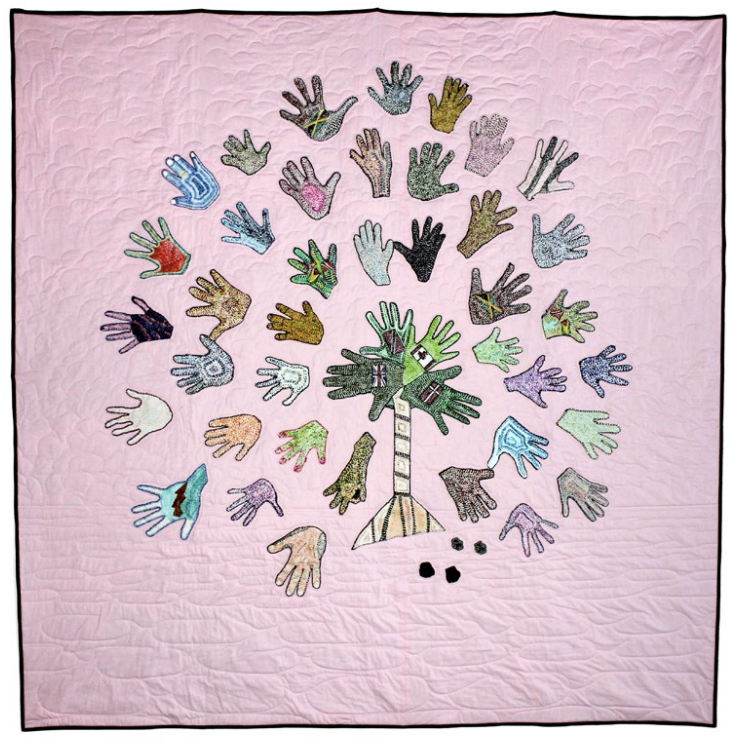
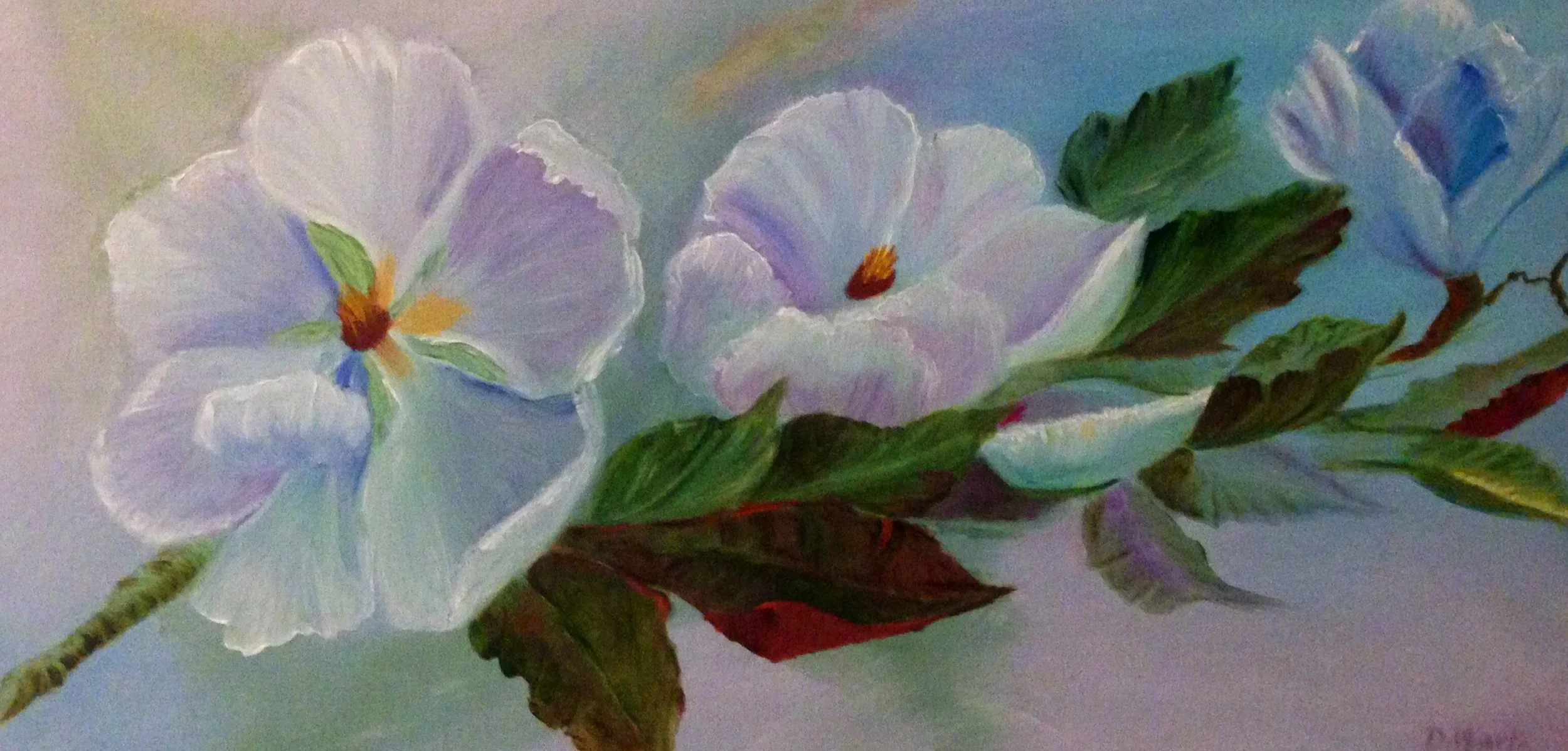
Amynah Pirani is a visual artist working predominantly with textiles, clay, and mixed media assemblage. Recently she has also been exploring watercolour painting. Amynah’s process relies heavily on experimentation. She allows her compositions to come together organically and they often unfold to create open narratives. Her work is frequently figurative and at times includes text that she hopes will connect with viewers and leave them with uplifting messages. Amynah lived in Kenya for most of her life and came to Canada in 2006. She aims to create bold and captivating work that gives viewers insight into who she is as an artist and as a person. Her cultural background influences her formal decisions and Amynah mixes Swahili & English text to further establish both cultural and personal links in her pieces. She enjoys collaging textile pieces to create larger integrated work and has been experimenting making three dimensional sculptures out of clay, fabric and found materials to make dimensional and meaningful works.
Nina Artist - Abraham Carillo

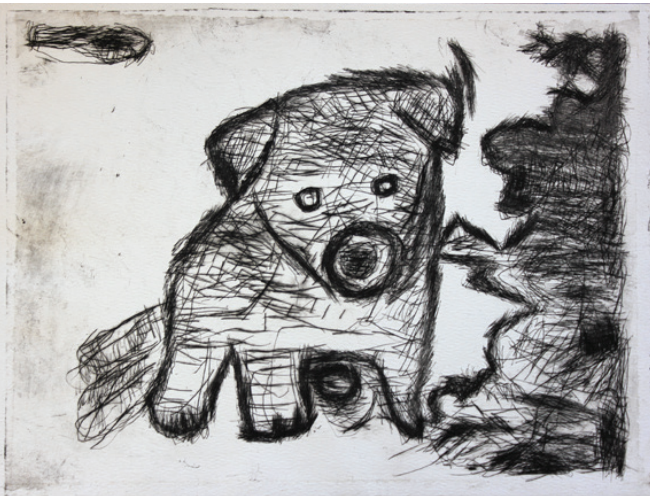
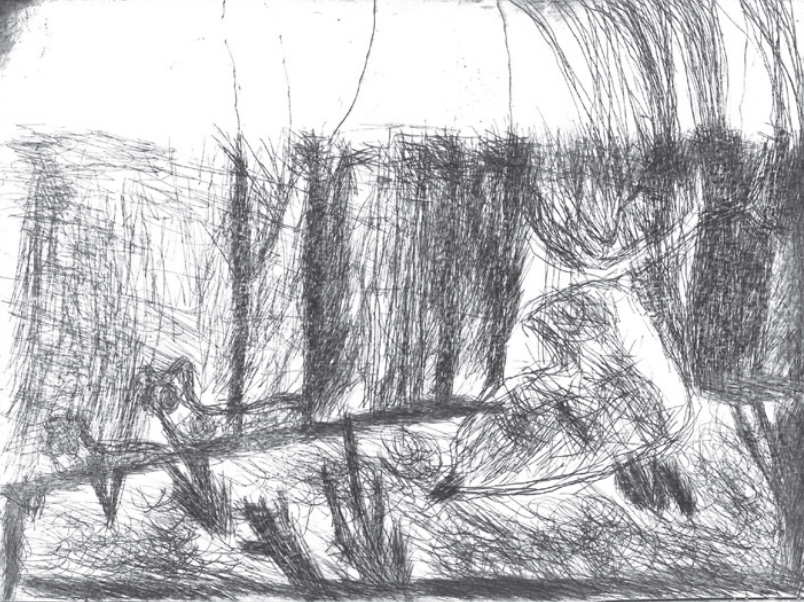
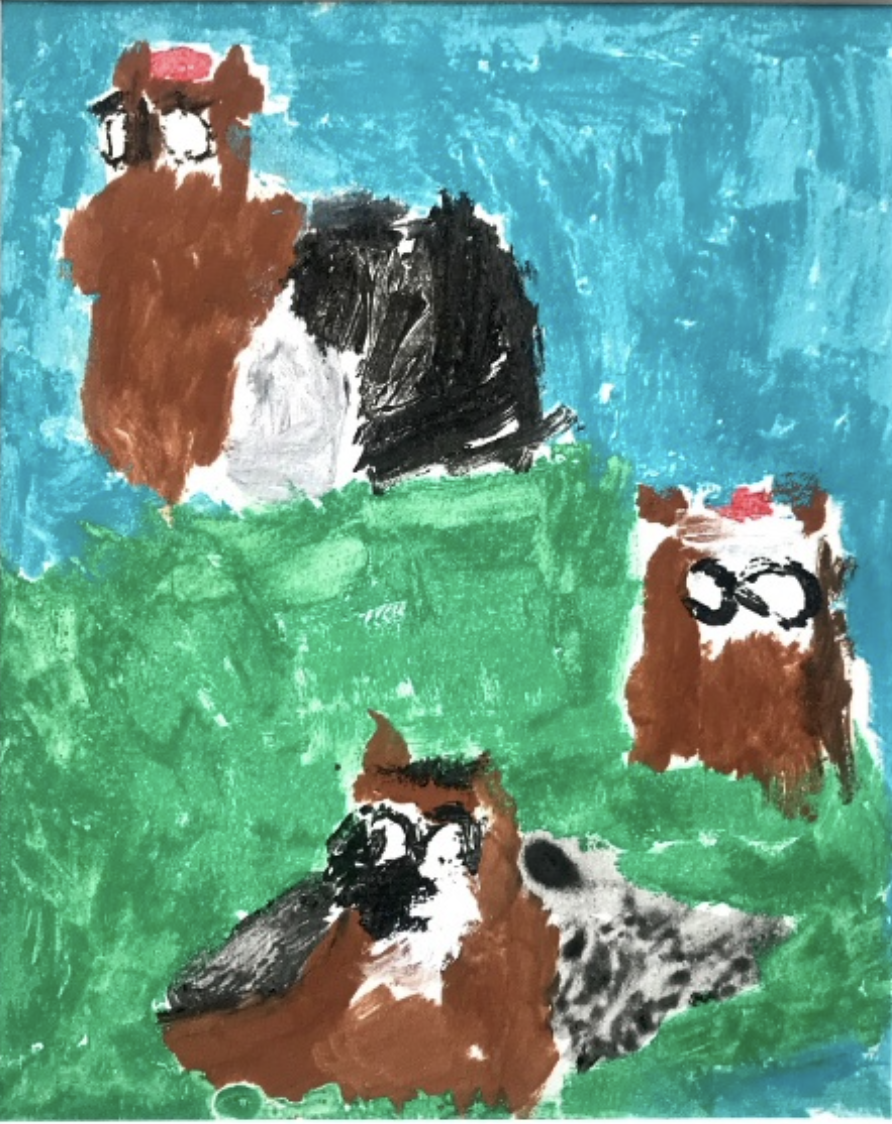
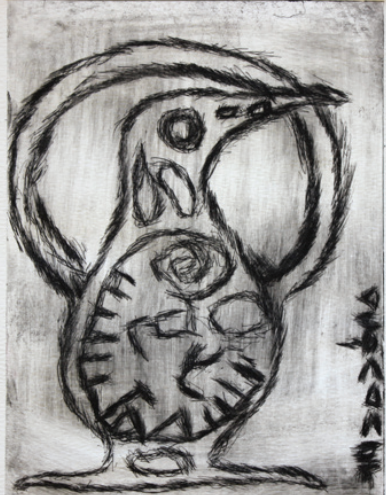
Abraham Carillo is a painter, printmaker, and sculptor. His favourite part of making art is taking something large and recreating it in a miniature scale. Abraham’s art often focuses on sports cars, insects, and animals such as birds, monkeys, cows, and squirrels. Abraham has been attending The Nina since 2014 and has compiled a body of work that has been sold and exhibited both locally and internationally.

Nina Artist - Amanda Bauer

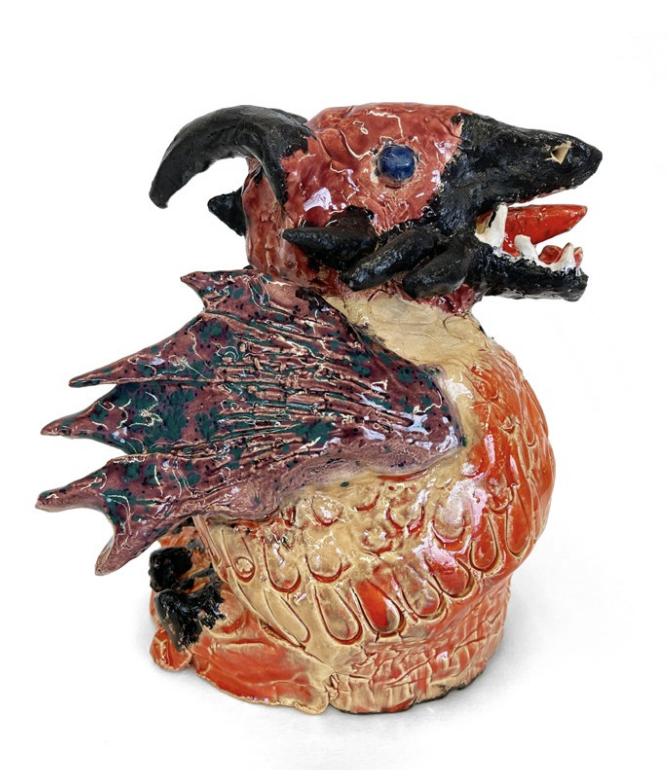
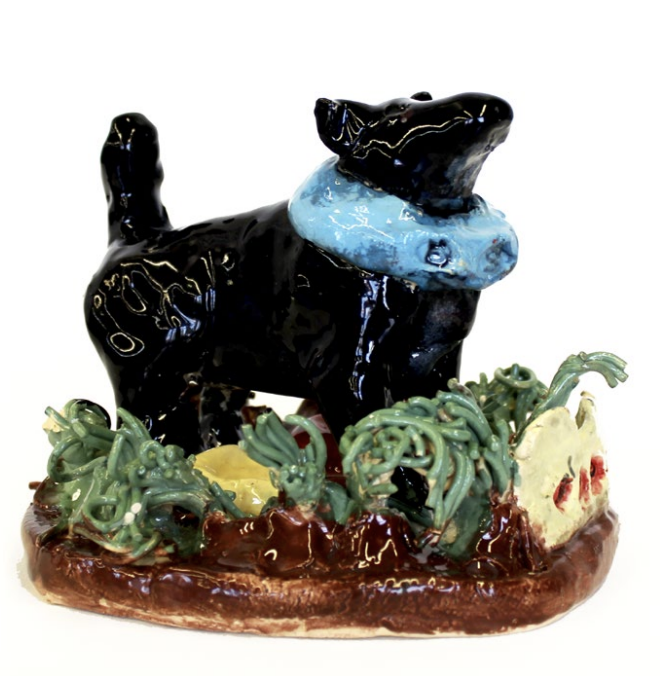
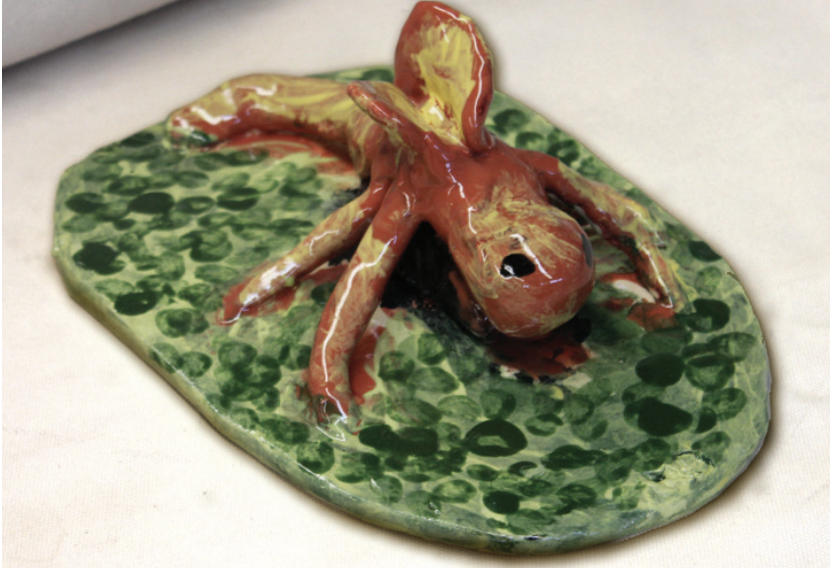
Amanda first found her calling in art while hospitalized when a nurse gave her a page to colour. When a social worker saw her walls completely covered in drawings, she referred her to the Nina Haggerty Centre where she has been making art since 2019. She works in every studio at the Nina, with a focus on ceramics and textiles. She views her art as an outlet and a way to push herself out of her comfort zone. Amanda’s work is often inspired by the people and things that are important to her, including her family and emotional support dog. She has recreated her pieces using different mediums, as well as combining them. She says that making art has helped her feel more positive about the world. In 2021, Amanda represented the Nina at Artist Connect, a virtual national disability arts conference hosted by BEING Studio in Ottawa. Her work has been exhibited in numerous group shows throughout Edmonton, including at the Alberta Craft Council. She plans to continue exploring new mediums and incorporating new techniques into her practice in the future.

Nina Artist - Cathy Monk

Cathy Monk is a long-time artist at the Nina. Originally from Ontario, she has been living in Alberta for over 20 years. She works predominantly as a printmaker, creating colourful monoprints in the studio. Cathy’s favourite subject matter is cats, which she paints in a variety of poses and an expressionistic style.  In 2019 two of her pieces were sent to Glasgow, Scotland for an exhibition with Project Ability. Her work has also been shown in several group shows in the Stollery Gallery. 

Cathy says art makes her happy and helps to push past negative thoughts and feelings. When she is not making art, she enjoys baking and bowling. She has also previously volunteered at the Edmonton Humane Society, and enjoys pampering herself at spa days and getting her nails done.  

Mireille Péloquin

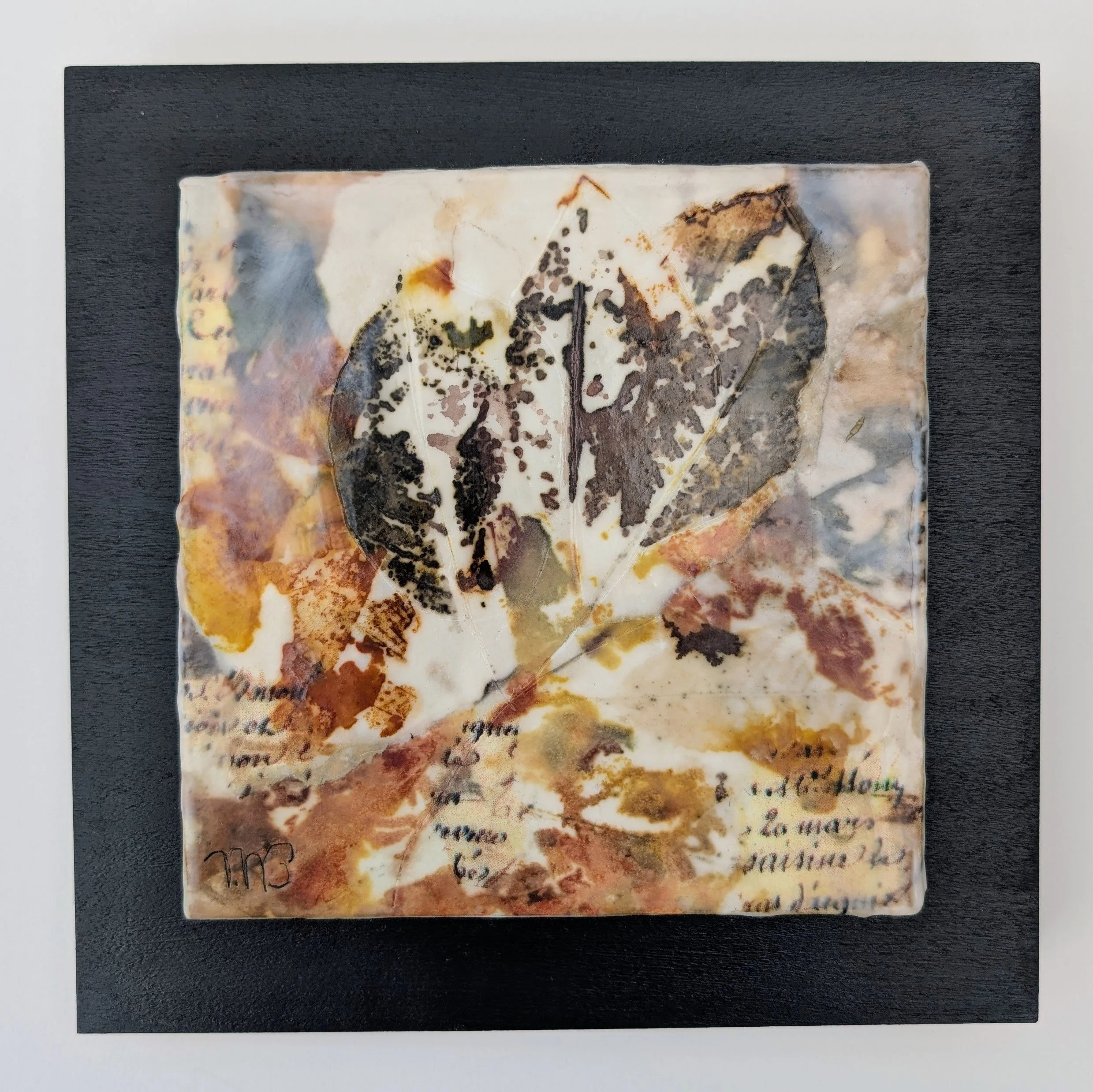
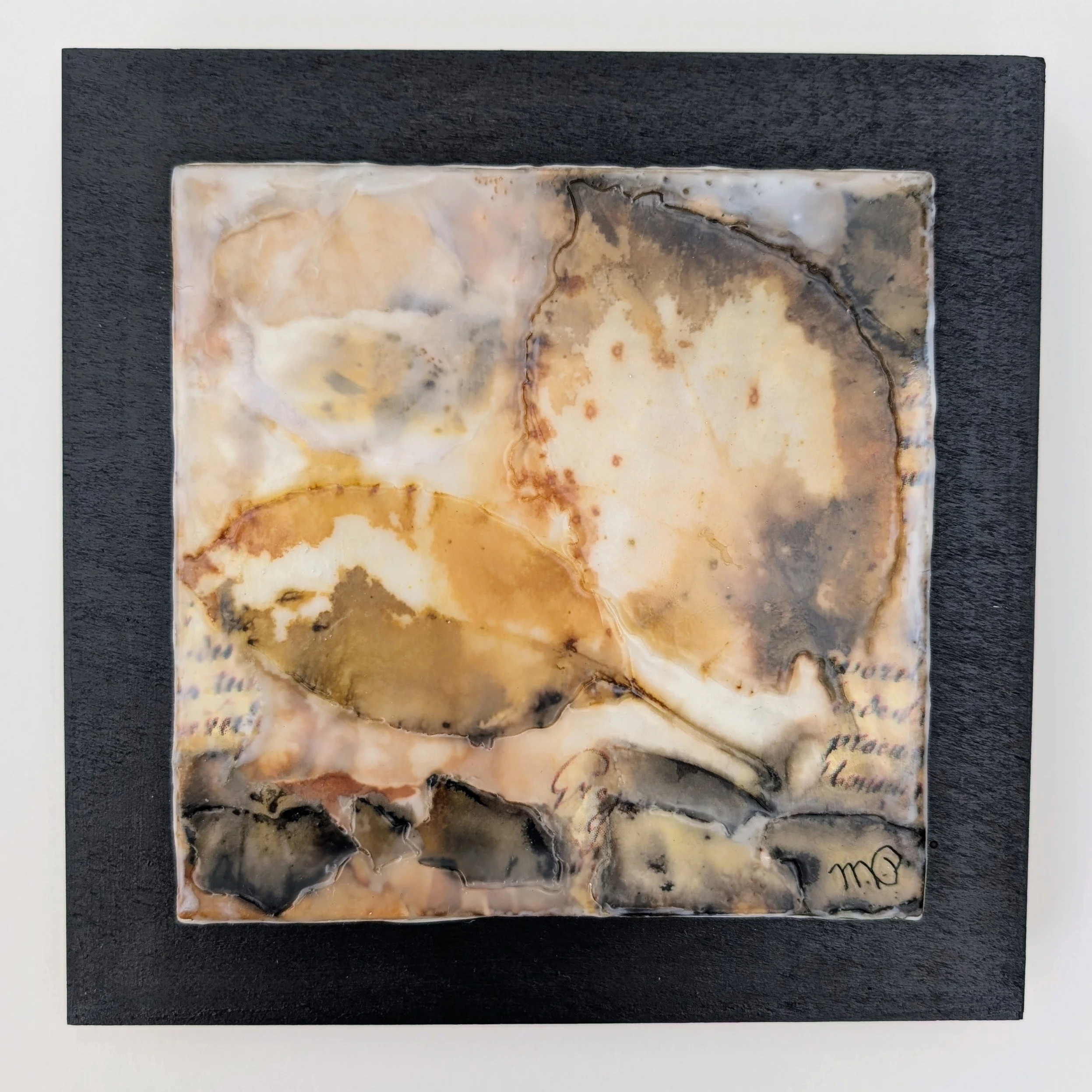
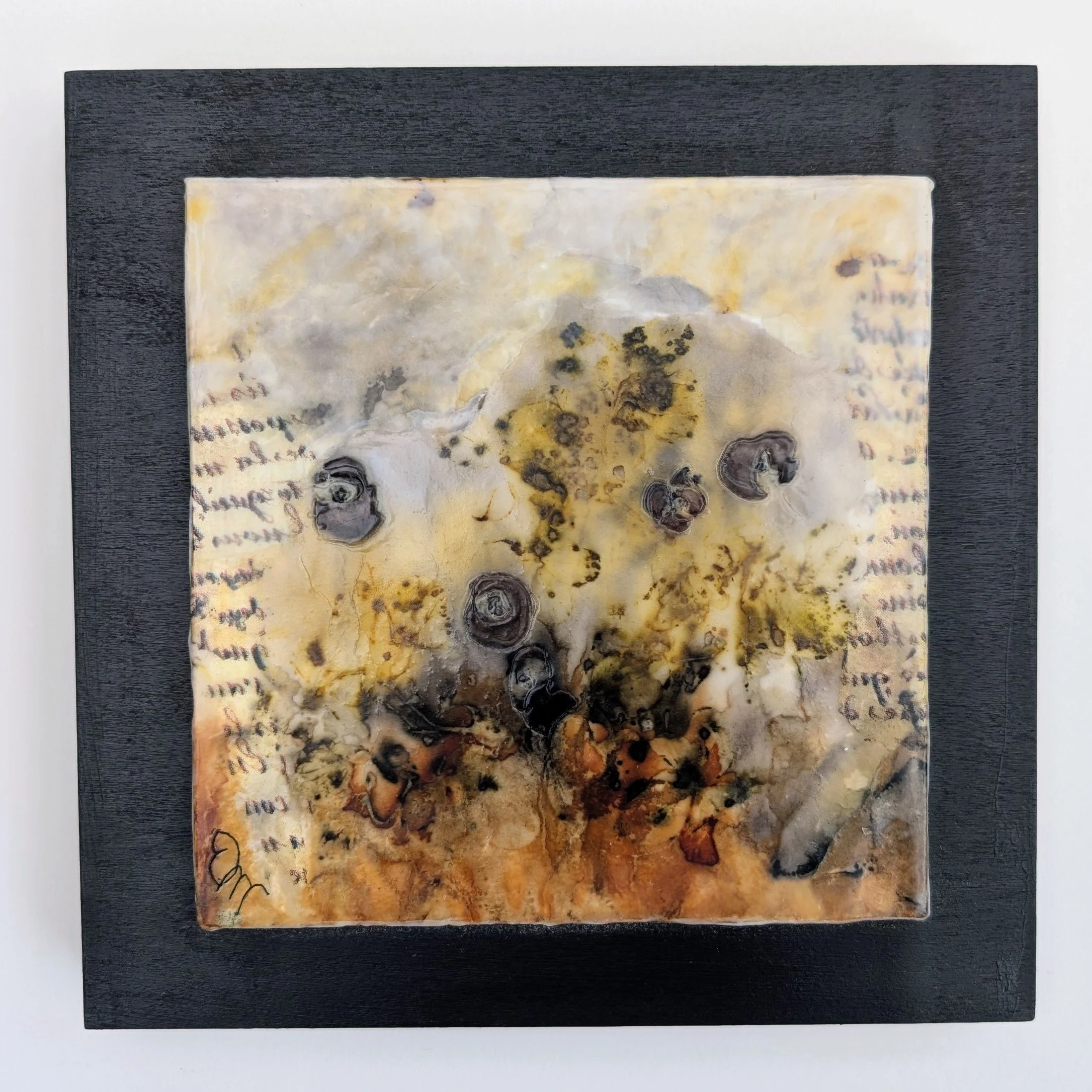
Mireille Péloquin was born in Manitoba and has lived in Alberta since 1992, many of those years in southern Alberta before making Edmonton her home. Initiation to encaustic was by the Centre d’arts visuels de l’Alberta in Edmonton more than 20 years ago. Her process has evolved over the years, mostly through experimentation in mixed media. Works can be paper based (watercolor, Eco prints, printed material) or straight up wax.

Even if not her only medium, encaustic art is her favorite because of its ancient roots and ability to shape and compose by using perfectly pure Alberta bees’ wax. Her work has been juried and exhibited at the Nina Haggerty Center for the Arts, the Centre d’art visual de l’Alberta and at the Fallen Leaf Art Gallery in Canmore. Her website mirpelart.com shows a range of pieces that reflect her prairie roots and international travels.

“Working with wax is fascinating. Sometimes results are calculated, sometimes they are wonderful accidents.” She has a soft spot for the color red found in poppies, farm buildings and abstract houses made with paper collected from her travels. 

www.mirpelart.com

Donna Marko

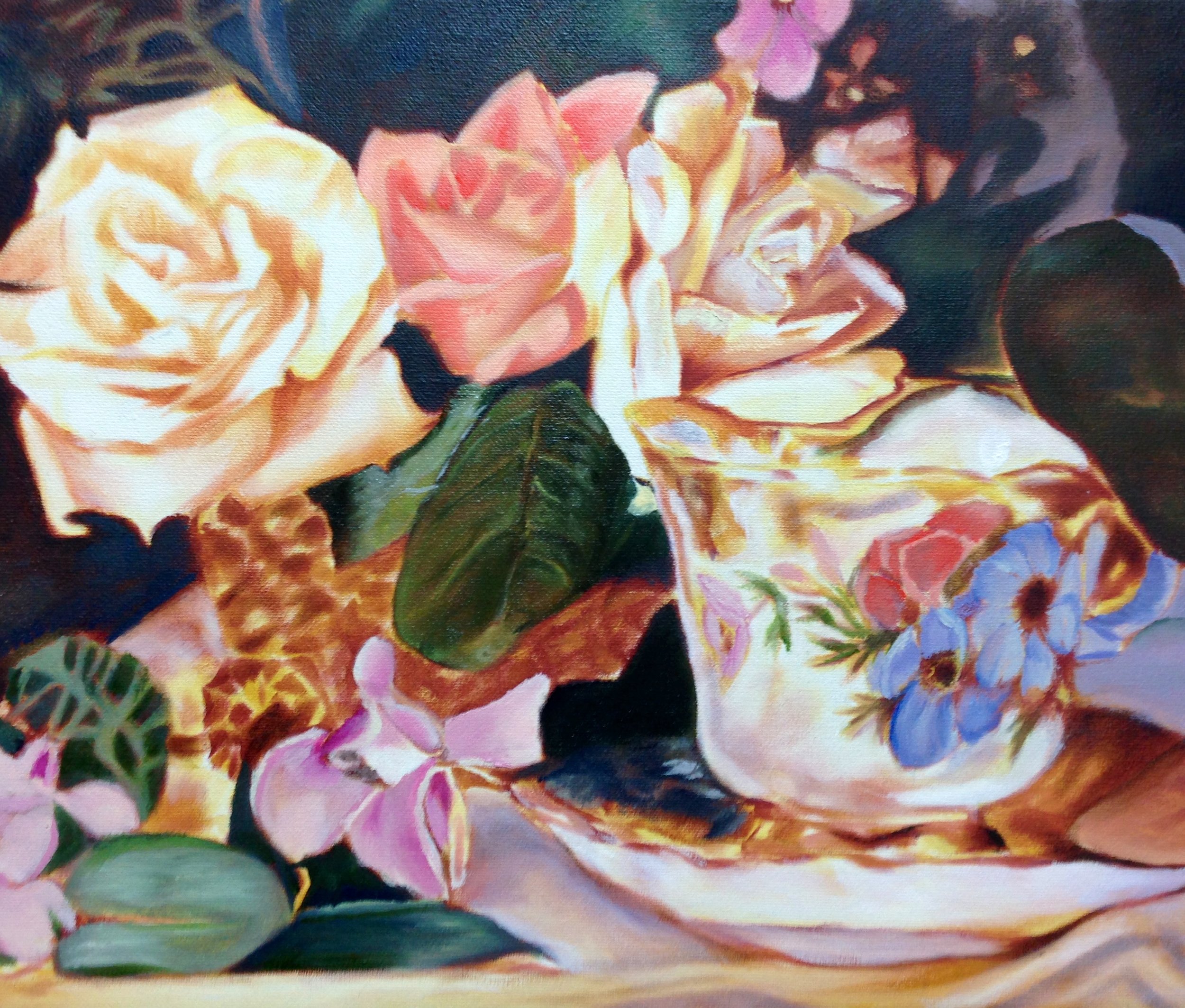
Donna Marko was born in Smoky Lake, Alberta and was raised on a farm near Waskatenau, Alberta. Now she is happily retired and is a resident of Edmonton. She is so curious to know many forms of art and has taken various art courses and workshops to satisfy her needs. A few of the courses were Silk Screening and Lithograph at the University of Saskatchewan. Graphic Arts, Drawing and Sculpting in Grande Prairie College. Raku, Metal Sculpture, Watercolour on Rice Paper, Master Oil Painting Techniques of Van Gogh Painting, Coloured Pencils and Stone Carving held in different locations. She holds two certificates in teaching Ceramics. Donna had volunteered teaching watercolours and acrylic painting for people who have disabilities. Marko was employed as a therapeutic recreation assistance for people who have mental impairments, in which she created and implemented an ongoing eight week art program. Upon completion the participants would receive a certificate and were able to display their painting on the “ Art Wall”. She was a Director of the ALF A. One of my duties was a curator .Taught coloured pencils in Naskusp Community College and did two years of Art in Residence at the College.She had taught art in various locations,continueouly teach watercolour and coffee painting for the Lions Senior Center, in Edmonton. Donna will continue to educate herself ,experiment with her art and show her art. She finds, not only the reward of the finished piece , but it is the journey.

Jeff Penner

Jeff's creative path started with photography, chasing storms, empty roads, mountain landscapes, and forgotten places across Western Canada and the American Southwest. Over time, the camera became less about documenting reality and more about finding something hidden beneath it. That led to years of experimenting with infrared photography, digital manipulation, and other techniques that blurred the line between the real and the imagined.

Instagram: @jpenner.xoxo
Website: jeffpenner.com

Kyungah Song

Kyungah Song’s work is rooted in Korean heritage and personal mythology, weaving together traditional symbols—such as hanbok-clad women, shamanic spirits, and celestial horses—with contemporary inquiries into identity, memory, and transformation. Her paintings often feature female figures in ritualistic settings or moments of silent introspection. These figures, drawn from Korean shamanism and folklore, are not distant myths but intimate reflections of the artist herself—as daughter, mother, seeker, and survivor. Song approaches painting as a means to uncover the invisible: emotional undercurrents, ancestral echoes, and the layers of selfhood obscured by responsibility. She allows her images to surface gradually, like memories rising through still water. Recurring motifs—horses, women in hanbok—function both as cultural signifiers and psychological symbols of instinct, longing, and the unconscious. For Song, painting is an act of healing and remembering—an intuitive process of reclaiming her own narrative, one image at a time. Through these internal landscapes, she invites viewers into a space of quiet contemplation, where personal histories and universal emotions converge.

Instagram: @kyungahsong_art
Website: song-arts.com